

Pilates as a Lifelong Method for Strength, Stability and Long Term Health
/
By Carolina Desloge
Pilates was originally developed as a method designed to enhance the overall quality of life through physical conditioning. Its founder, Joseph Pilates, created the system in large part to transform his own health. Long before modern wellness culture emphasized functional movement and preventive fitness, Pilates recognized that optimal health begins with strong, balanced physical conditioning.
Today, the Pilates method remains one of the few exercise systems designed to support the body across the entire lifespan. It can be adapted for individuals of virtually any age or level of physical conditioning, making it uniquely sustainable as a lifelong practice.
My own relationship with Pilates began more than twenty years ago. Initially, I approached it as many people do—simply as another exercise trend that promised improved fitness and perhaps a few cosmetic benefits. At the time, my primary athletic focus was endurance training, particularly triathlons. Pilates was simply one component of a broader fitness routine.
Over time, however, my relationship with the method changed dramatically. In my thirties, while actively training for triathlons, I began experiencing persistent lower back pain that gradually interfered with my ability to train. My goal at the time had been to continue progressing in the sport and ultimately compete in a full Ironman event in Florida. Instead, I found myself facing an unexpected physical limitation.
The issue was eventually diagnosed as sacroiliac (SI) joint dysfunction caused by hypermobility in the joint. Stabilizing the joint required a different approach to training than the one I had been following. Years of high-volume cardiovascular training—running, cycling, and swimming—had created repetitive stress without sufficient emphasis on strengthening the stabilizing muscles that support the spine and pelvis.
In many ways, the pain itself was only a symptom of a larger imbalance. What I needed was not simply rest, but a method that could help restore stability, improve movement mechanics, and strengthen the deep musculature responsible for supporting the spine.
Pilates ultimately provided that solution.
Through the method’s emphasis on controlled movement, core stability, and precise muscular engagement, I began to develop the structural strength that had been missing from my training. Rather than relying solely on endurance conditioning, Pilates helped create a more balanced and resilient foundation for movement.
This experience also led to a significant professional shift in my life. Prior to discovering Pilates as a rehabilitative and strengthening method, my career had been rooted in business, sales, and marketing for more than fifteen years. As I continued practicing Pilates and learning about the principles behind the method, my interest deepened. What began as a personal solution to an injury eventually evolved into a complete career change.
I began studying the method in greater depth, apprenticing under experienced instructors and dedicating significant time to learning the mechanics and philosophy behind the work. The transition required both commitment and humility, as I was entering an entirely new professional field.
Nearly eighteen years later, Pilates continues to be central to both my professional and personal life. I continue to practice, study, and refine my understanding of the method, and I now mentor an apprentice of my own. This ongoing learning process reflects one of the most compelling aspects of Pilates: it is a discipline that evolves with the practitioner.
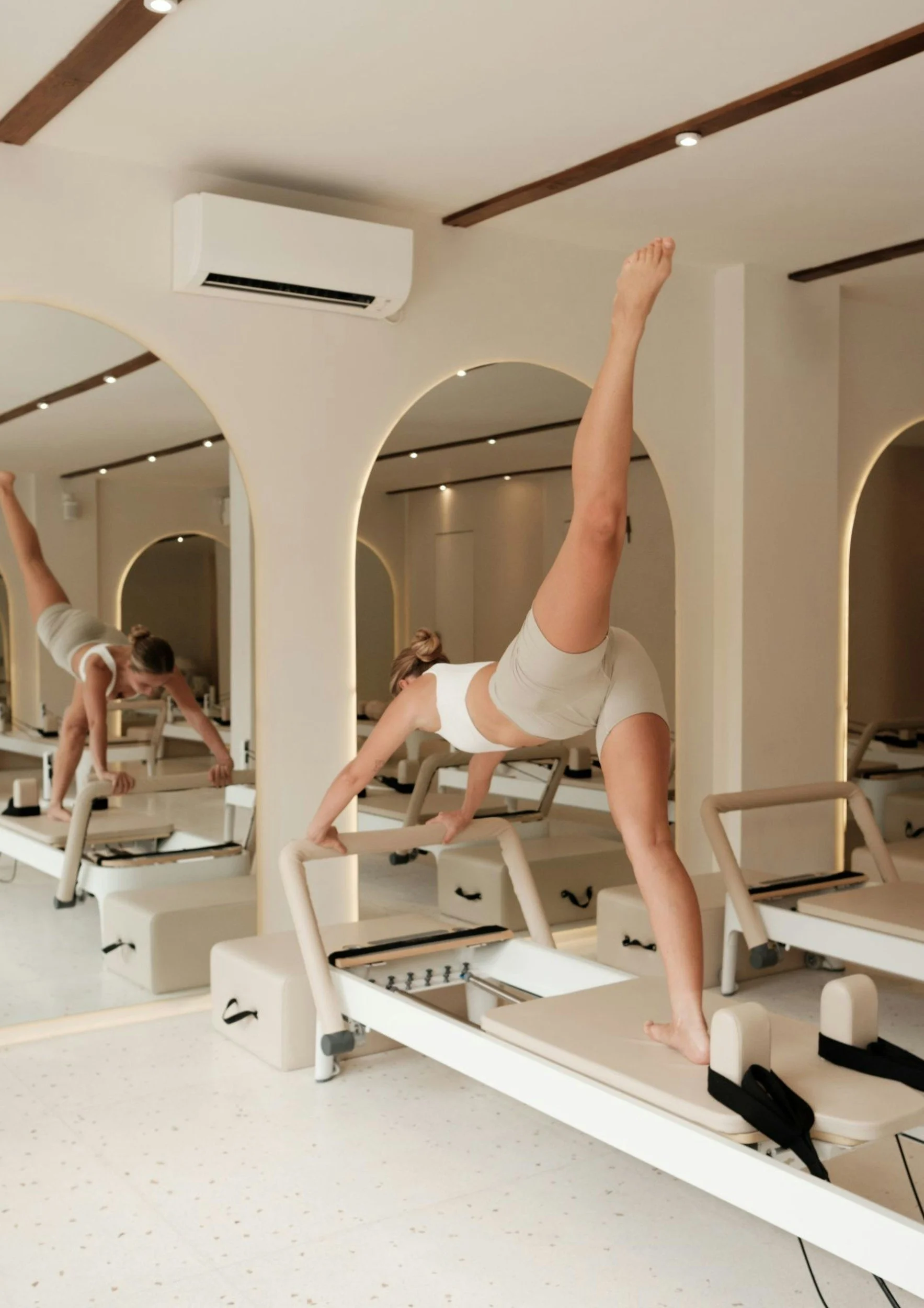
The Pilates method is designed not only to improve strength and flexibility but also to enhance coordination, stability, and overall body awareness. When practiced consistently, it can support long-term physical health and help individuals maintain mobility and strength well into later stages of life.
For many people, the most effective approach is to practice Pilates several times per week. Sessions lasting approximately 45 to 55 minutes, performed two to three times weekly, can provide meaningful improvements in strength, posture, and functional movement.
While I also incorporate other forms of activity—including yoga, cycling, and power walking—Pilates remains the foundation of my personal fitness routine. In particular, I continue to value the STOTT Pilates system, which offers a highly structured and comprehensive approach to both training and equipment design.
Ultimately, Pilates is more than a workout program; it is a method of movement that supports long-term health and physical resilience. After more than two decades of practice, I remain deeply grateful for the role it has played in transforming my own physical well-being and in helping my clients achieve similar outcomes.
It is a method that truly can be practiced for life.
Carolina Desloge
Writer and long-time observer of the wellness industry.